LyntonDiggle

  • Director
  • Camera
Lynton-Diggle---Key-Profile.jpg

Lynton Diggle spent almost 25 years working as a director and cameraman for the government's National Film Unit, before launching his own company. Along the way, he filmed in Antarctica and the waters of Lake Taupō, captured major salvage operations at sea, and worked alongside legendary director David Lean (Lawrence of Arabia). Diggle passed away on 23 November 2018.

Screenography

2019 Subject Short film
Irresistible Forces
1989 Director - Antarctic Unit , Camera Television
1987 Second Unit Camera Television
1986 Camera Short film

Biography

For over a decade, Lynton Diggle was the only Auckland-based cameraperson employed by the government's National Film Unit. Diggle would go on to capture images of snow, shipwrecks and communes falling apart under the strain.

Born in Paeroa in 1936, Diggle grew up in Rotorua, Auckland and later Otorohanga. As a child he had no idea what he wanted to do for a job; he was more interested in "making stink bombs, learning violin and trying to play rugby". Encouraged by his mother to get a bank job, Diggle failed to make it inside the front door for his job interview, "freaked out" by the idea of working in banking. A former English teacher suggested radio might be of more interest.

Awards

1984 New York International Film and Television Festival
Bronze Medal: The Duke

1983 American Film Festival
Honourable Mention: Operation Overdue

1982 New York International Film and Television Festival
Gold Medal: Kiwifruit

“I always regarded documentary filmmaking as a very privileged occupation. Working in the Arctic and Antarctica, plus around the Pacific basin and New Zealand, and actually being paid to do so was a fantastic life. It never seemed like a proper job.”

Lynton Diggle

Related images

Lynton-Diggle-Gallery-1.jpg
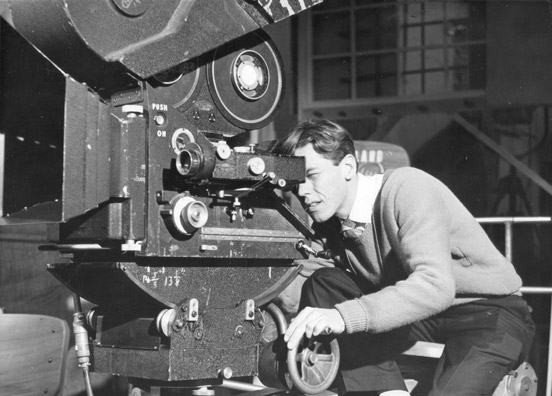
Lynton Diggle behind a Newall camera at the National Film Unit, probably in 1958. Diggle later said of this shot: "I was very green then and was just posing!". 
Photo taken for publicity by National Film Unit, supplied by Lynton Diggle.
Lynton-Diggle-Gallery-2.jpg
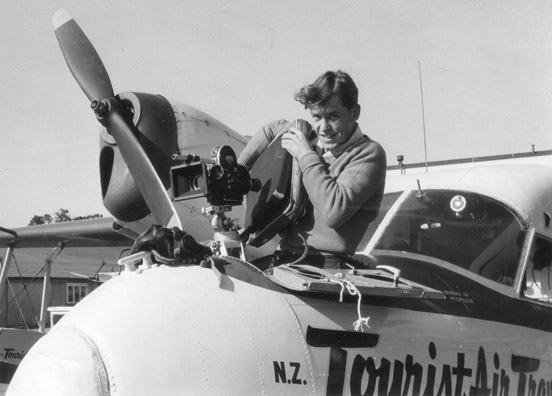
Lynton Diggle filming from the nose of a plane for the National Film Unit.
Photo taken for publicity by National Film Unit, supplied by Lynton Diggle.
Lynton-Diggle-Gallery-2.jpg
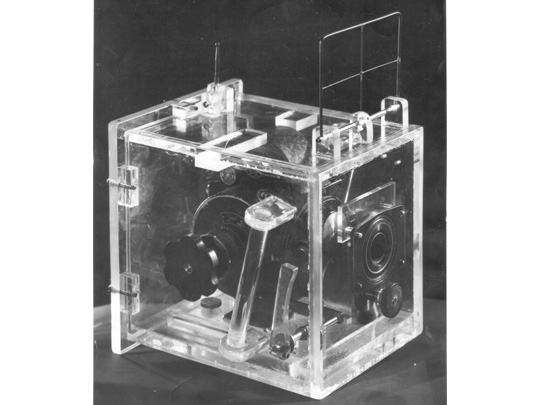
A shot of the special housing built for what was likely the first 35mm camera used underwater in New Zealand. It was designed and made by Lynton Diggle, with help from the DSIR. Diggle recalled using it on a water safety film that he shot in Lake Taupō in mid-winter. The handwound Eymo could only take 100 foot of film.
Kindly supplied by Lynton Diggle.
Antarctica-Gallery-1.jpg
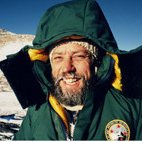
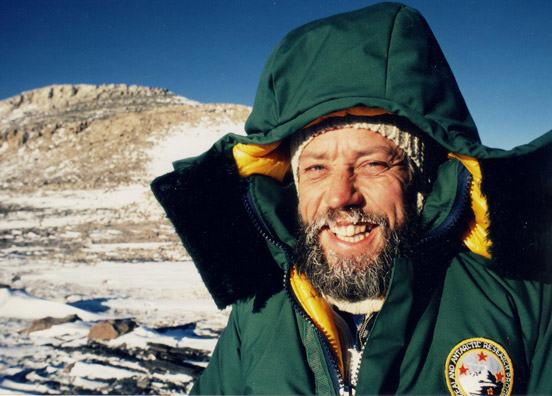
Lynton Diggle in Antarctica. The shot was taken during the making of either 1983/4 TV project The Big Ice, or Diggle's 1980 documentary Antarctica.
Supplied by Lynton Diggle.
Ralph-Hotere-Gallery-1.jpg
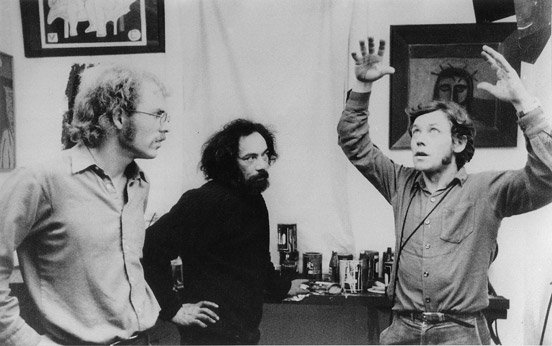
From left to right: Director Sam Pillsbury, artist Ralph Hotere and cameraman Lynton Diggle during the making of 1974 National Film Unit documentary Ralph Hotere.
Publicity photo taken by the National Film Unit. Supplied by Lynton Diggle.
Ralph-Hotere-Gallery-2.jpg
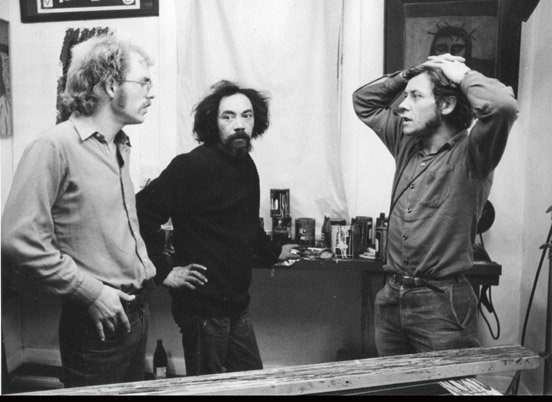
From left to right: Director Sam Pillsbury, artist Ralph Hotere and cameraman Lynton Diggle during the making of 1974 National Film Unit documentary Ralph Hotere.
Publicity photo taken by the National Film Unit. Supplied by Lynton Diggle.
Ralph-Hotere-Gallery-4.jpg
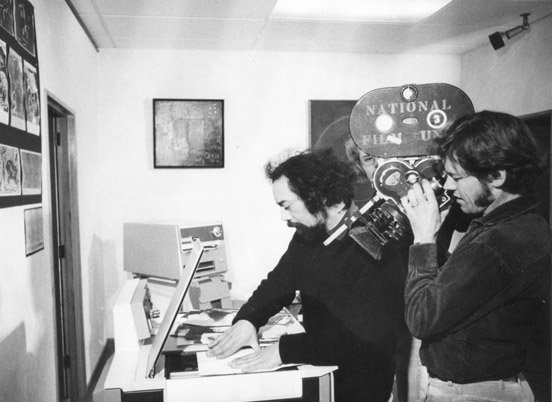
Lynton Diggle films artist Ralph Hotere as he uses a Xerox copier, for 1974 National Film Unit documentary Ralph Hotere
Photo taken by the National Film Unit, supplied by Lynton Diggle.
Lynton_Diggle_Gallery.jpg
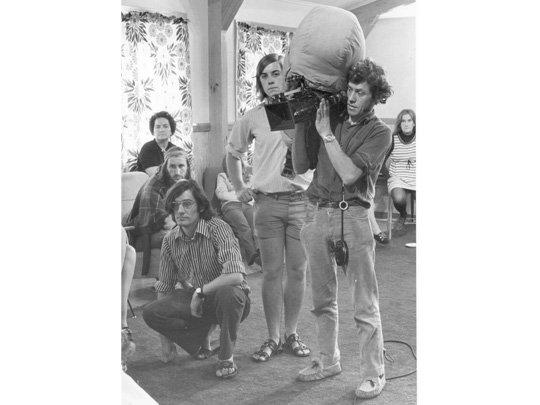
A shot taken during the making of 1973 TV drama One of Those People that Live in the World, which was set in a mental hospital. From left to right: director Paul Maunder, camera assistant Bayley Watson and cameraman Lynton Diggle.
Kindly supplied by Lynton Diggle.