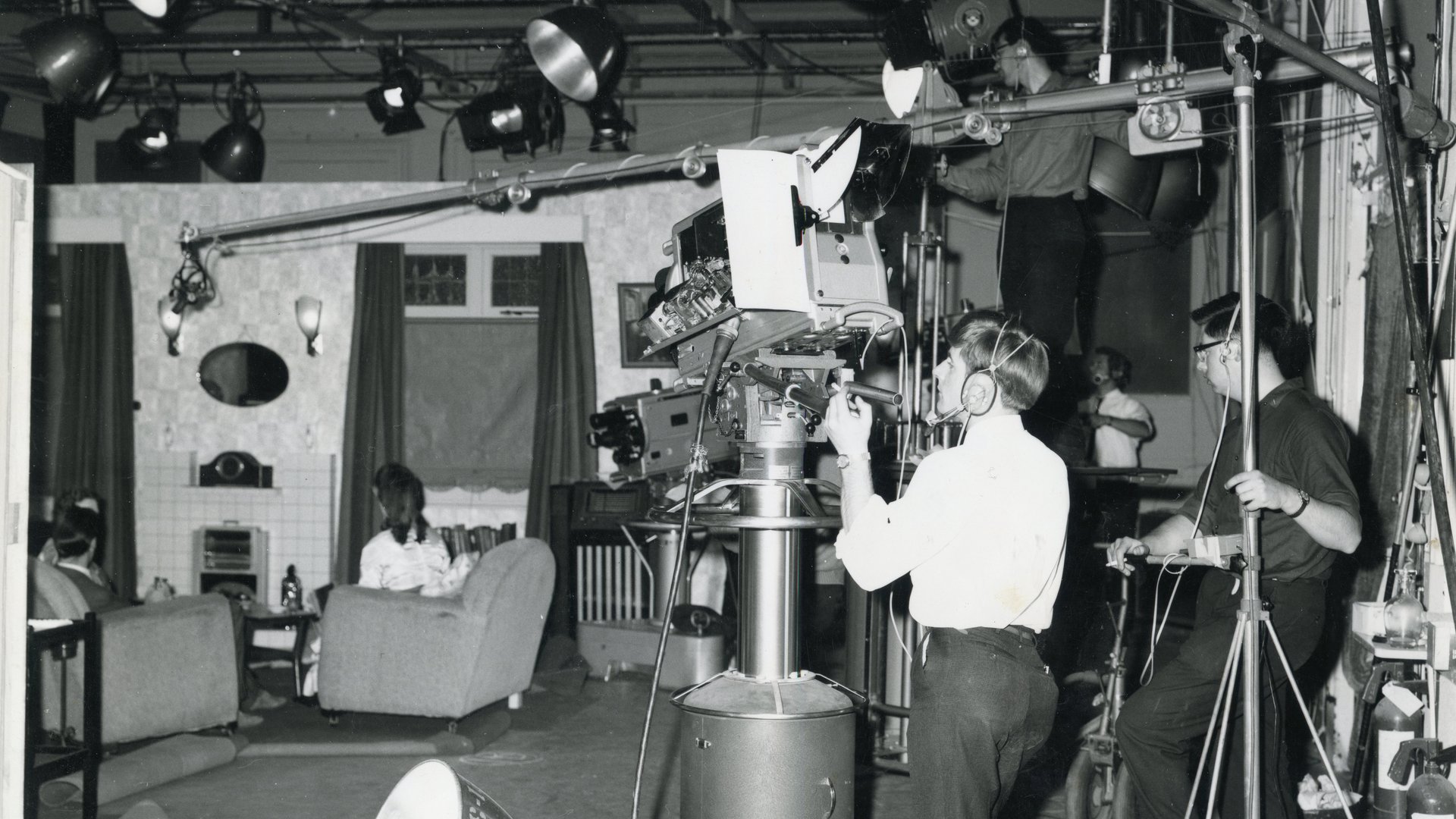
Television in NZ
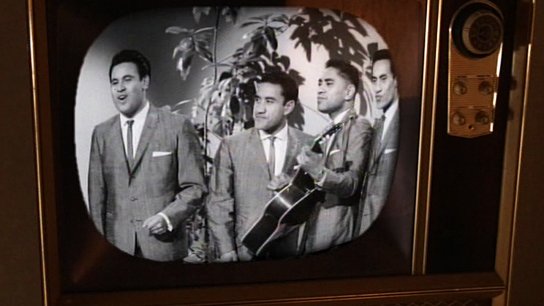
A History of Television in New Zealand
The First 20 Years
 June 1, 1960
NZ's first television broadcast
Television officially begins broadcasting after many test transmissions. The first night's coverage is transmitted on AKTV-2 from Auckland's Shortland Street studios. It lasted just three hours!
 April 1, 1961
Television goes commercial
Advertising is introduced to television in April 1961, and the audience don't like it. People complain, but the advertising continues...
 June 1, 1961
Television in Christchurch
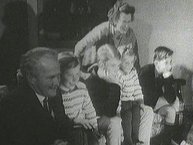
A year after New Zealand television began broadcasting in Auckland, official transmission begins in Christchurch (CHTV-3).
 July 1, 1961
Television in Wellington
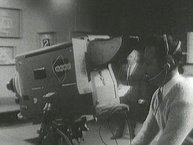
Official television transmission begins in Wellington (WNTV-1).
 April 1, 1962
Broadcasting Act 1961
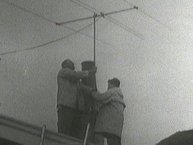
The National Government's Broadcasting Corporation Act 1961 comes into effect, establishing the New Zealand Broadcasting Corporation (NZBC).
 July 31, 1962
Television in Dunedin
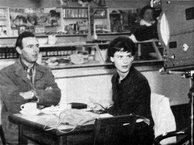
Official television transmission begins in Dunedin (DNTV-2)
 January 1, 1963
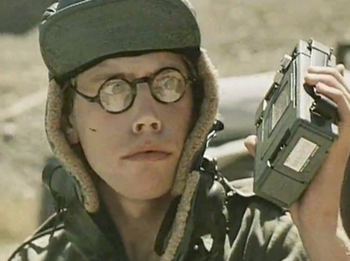
All Earth To Love (first drama)
The first drama written for television screens early in 1963: All Earth to Love.
 March 6, 1966
Country Calendar
Country Calendar makes its debut and goes on to become New Zealand's longest-running TV series. Starting out as a 15-minute news roundup, the show settled into a half-hour format.
 April 10, 1968
Wahine Disaster
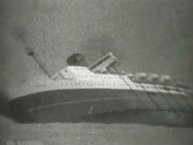
Television news covers the Wahine disaster, winning a World Newsfilm Award. It was the days before network news, so Mainlanders saw coverage after a Christchurch news crew rushed to Kaikōura and filmed a TV set that could receive a signal from Wellington, then returned to Christchurch so the footage could be broadcast.
 November 3, 1969
Network Television
Network television begins, and the first Network News bulletin is read by Dougal Stevenson at 7.33pm. The bulletin is broadcast from WNTV-1's studios in Wellington.
 January 1, 1971
Pukemanu
Pukemanu is New Zealand's first example of series drama, and the first television drama featuring ongoing Māori characters. It is embraced by viewers.
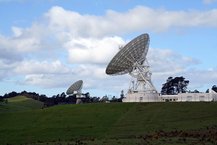 January 1, 1971
Satellite
Warkworth Satellite Station opens, enabling stories to be received from the other side of the world.
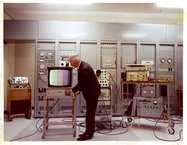 October 31, 1973
Colour TV
Colour television is officially introduced into New Zealand. It takes around a year before the whole country can receive it.
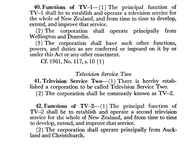 December 18, 1973
Broadcasting Act 1973
The Labour Government's Broadcasting Act 1973 comes into effect, splitting the NZBC into three corporations: Radio New Zealand, Television Service One and Two, and a Broadcasting Council. The NZBC continues to operate until 1975.
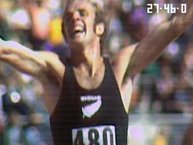 January 24, 1974
Commonwealth Games
Coverage of the Commonwealth Games in Christchurch begins. It is the largest undertaking in NZBC history. Much, but not all, is in colour.
 November 1, 1974
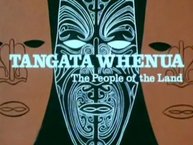
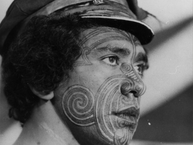
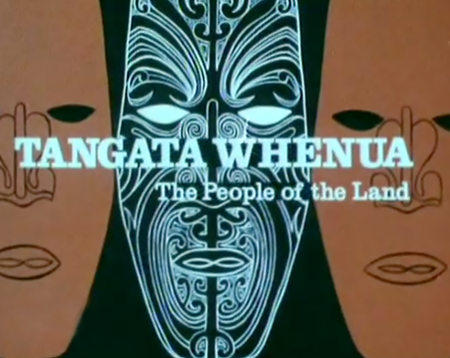
Tangata Whenua
Ground-breaking documentary series Tangata Whenua starts screening. Produced by Pacific Films — and initiated, written and researched by historian Michael King — the series airs in prime time.
 March 1, 1975
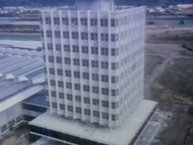
Avalon
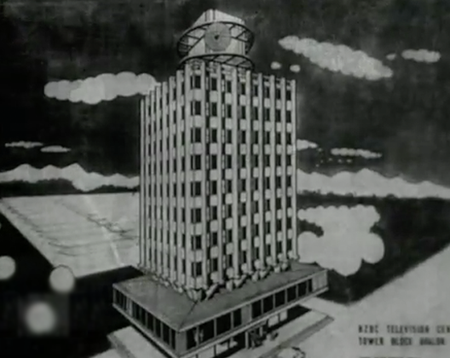
The Avalon Television Centre officially opens in Lower Hutt in March 1975.
 April 1, 1975
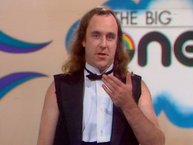
TV-1 opens
TV-1 (based in Wellington and Dunedin) launches with a broadcast from the new Avalon Television Centre.
 May 1, 1975
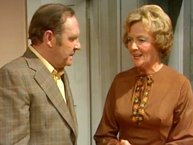
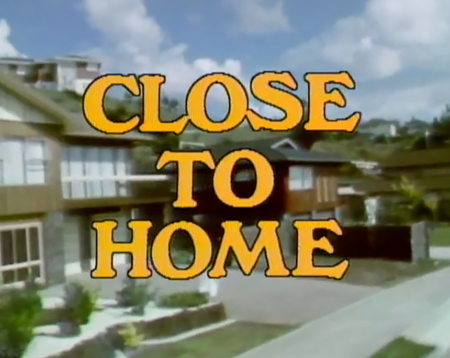
Close to Home
Close to Home, New Zealand's first soap, debuts in May 1975. At its peak in 1977, nearly one million viewers tune in.
 July 1, 1975
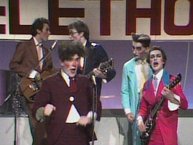
First Telethon
TV-2 (based in Auckland and Christchurch) holds a Telethon in its opening week, raising $593,878 for St John Ambulance.
 January 1, 1976
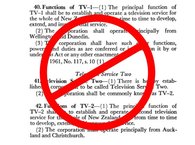
Broadcasting Act 1976
A new government passes the Broadcasting Act, reverting state broadcasting to a single operation.
 December 1, 1976
South Pacific Television
TV-2 rebrands itself as South Pacific Television (SPTV).
 February 1, 1977
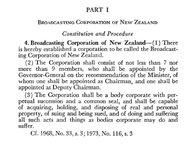
BCNZ
The Broadcasting Act 1976 comes into force, and the Broadcasting Corporation of New Zealand (BCNZ) is formed to merge the two television services under a single corporation.
 April 1, 1977
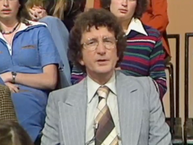
Fair Go
The first episode of the consumer affairs show Fair Go screens and is favourably received. The subject matter is cars, slips and taxis. The show becomes one of New Zealand's longest-running TV series.
 January 1, 1978
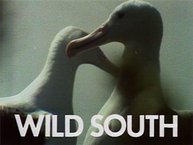
Natural History Unit
TVNZ establishes a natural history unit based out of their Dunedin studios. Series Wild South is an early production. The unit is sold to Fox TV Studios in 1997, to former Fox executive David Haslingden in 2012, and to Blue Ant Media in 2017. It trades as NGNZ.
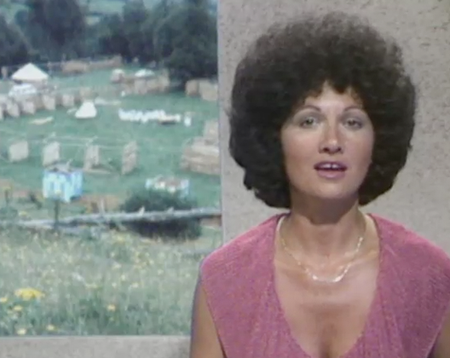
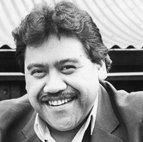
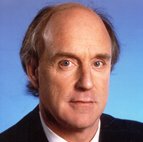
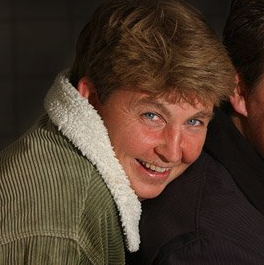
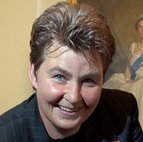
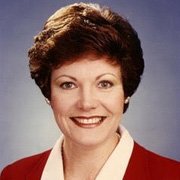
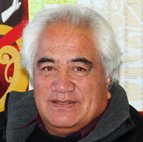
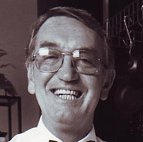
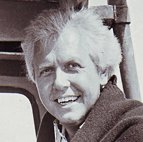
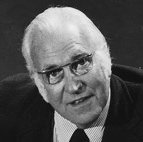
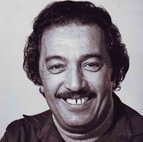
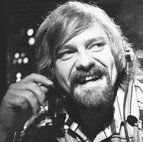
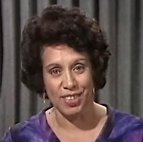
Early Television Personalities
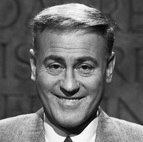

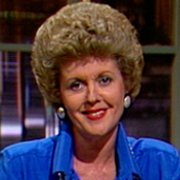
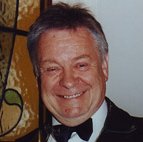


1980s to 2000
 February 15, 1980
Television New Zealand
TV1 and SPTV are reborn as TV One and TV Two under the newly established Television New Zealand (TVNZ), and begin broadcasting.
 January 1, 1982
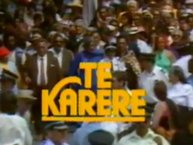
Te Karere
Māori news bulletin Te Karere first screens during Māori Language Week in 1982. It gets a regular slot the following year, and is still on air today.
 January 1, 1982
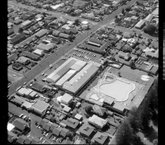
Northern Television
In mid-1982 Northern Television launches its Good Morning show on Television One, broadcast from their production and transmission studios in Mount Wellington. The privately-run company — one of several contenders hopeful of securing a license to run a third national TV network — is led by Wilson and Horton, publishers of The New Zealand Herald.
 January 1, 1986
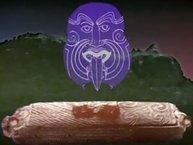
TVNZ Māori Unit
TVNZ creates a Māori production unit, dedicated to producing māori-language programmes. New programmes produced by the department included Waka Huia, Marae, Tagata Pasifika, When the Haka Became Boogie and Radio Wha Waho.
 April 4, 1987
Tagata Pasifika
Tagata Pasifika — a programme focusing on Pacific Island communities — screens for the first time. It marks the beginning of a 30+ year run.
 November 1, 1988
Deregulation
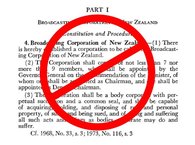
The government deregulates the broadcasting sector and dissolves the BCNZ. Radio New Zealand and Television New Zealand become state-owned enterprises (SOEs). A broadcasting license for a third channel is awarded to TV3.
 April 3, 1989
Holmes - Dennis Conner walk out
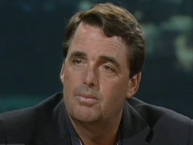
Holmes launches at 6.30pm on TV One. Headlines are created, and ratings spike, after Dennis Conner storms out of his live interview with Paul Holmes.
 July 1, 1989
NZ On Air commences operations
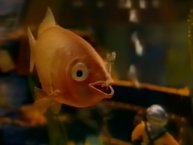
The Broadcasting Commission, later to become known as NZ On Air, is established by the Broadcasting Act 1989 as a "specialist purchasing agency" for local TV programmes. The Broadcast Standards Authority (BSA) is also established under the Act.
 November 26, 1989
TV3
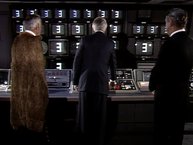
TV3 begins transmission, celebrating its launch with a two-hour special featuring music, montages and a Māori welcome.
 March 9, 1990
NFU sold to TVNZ
The government filmmaking body, the National Film Unit, sells to TVNZ for $2.5 million.
 May 18, 1990
Sky TV
Sky TV launches as an analogue UHF service, offering three channels to its subscribers: Sky Movies, Sky Sport and Sky News. TVNZ, an original shareholder, sells its shareholding in 2000. Sky TV grows to offer dozens of channels and other content via satellite and streaming, serving over 900,000 customers (as of 2021).
 May 25, 1992
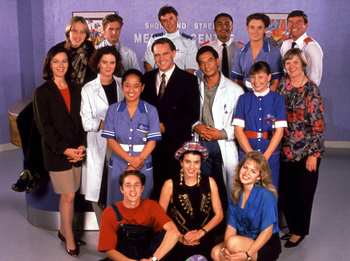
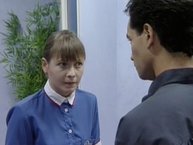
Shortland Street
The first episode of Shortland Street screens. It will become New Zealand's longest-running drama. The famous line in that first episode: "You're not in Guatemala now, Dr Ropata."
 January 1, 1994
Te Māngai Pāho
Established under an amendment to the Broadcasting Act in 1993, Te Māngai Pāho launches as a Māori broadcasting funding agency, to promote Māori language and culture.
 January 1, 1995
Horizon Pacific
Horizon Pacific, a wholly-owned subsidiary of TVNZ, opens regional news stations. They close by June 1997.
 January 1, 1996
Aotearoa Television Network
ATN, a pilot Māori television channel is established in 1996. It closes in 1997 due to insufficient public funding and related uncertainties.
 June 29, 1997
TV4
Youth-oriented TV4 launches in June 1997. The channel rebrands as music channel C4 in October 2003 and goes back to more general programming as FOUR in 2011. It is replaced by Bravo in July 2016.
 July 2, 1997
MTV NZ
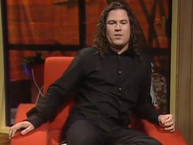
Using the same frequency as Horizon Pacific, the TVNZ-run MTV NZ launches. New Zealand is the only market in the world where the channel is free-to-air. Havoc is the first local show on the channel. MTV NZ closes in June 1998.
 August 11, 1997
Breakfast
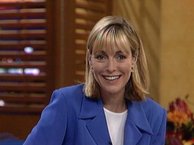
Breakfast television begins on TV One. Mike Hosking and Susan Wood are the first hosts. Liz Gunn reads the news.
 August 30, 1998
Prime TV
Prime TV begins broadcasting in New Zealand. The Australian-owned channel is purchased by Sky Television in November 2005.
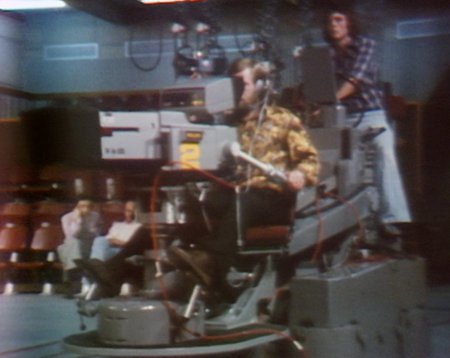
Television Pioneers





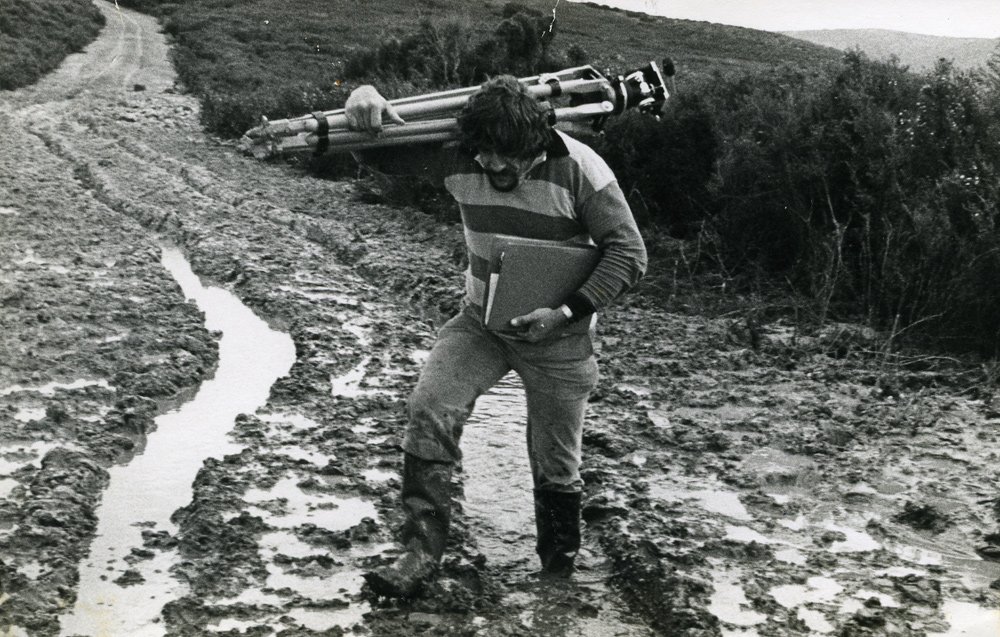
Making Television in New Zealand
2000 to Now
 October 16, 2001
TVNZ becomes a crown-owned company
The government confirms a restructure of TVNZ from an SOE into a crown-owned company, splitting the television and transmission arms of the company into two separate entities, and enabling implementation of the TVNZ Charter.
 March 1, 2003
TVNZ Charter
TVNZ begins to give effect to its Charter, a list of objectives requiring the broadcaster to apply a public broadcasting lens to its editorial and programming decisions. The Charter is abolished in 2011 by the National Government.
 March 28, 2004
Māori Television Service
The Māori Television Service (MTS) launches in March 2004 with a clear public service remit, dedicated to Māori language broadcasting.
 July 12, 2005
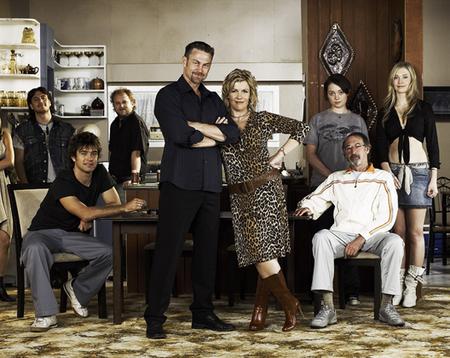
Outrageous Fortune
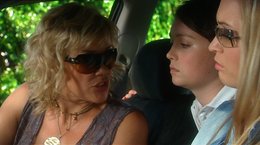
The first episode of Outrageous Fortune screens. In total, there are 107 episodes, making the series New Zealand's longest-running episodic drama.
 May 7, 2007
Freeview
A consortium of NZ broadcasters (TVNZ, Mediaworks, Māori Television Service and Radio New Zealand) launch the Freeview service, to assist Kiwis in the switch from analogue to digital TV.
 September 30, 2007
TVNZ6
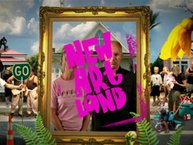
TVNZ launches its first digital channel TVNZ6, a publicly-funded channel to encourage Freeview uptake. New Artland features among the local commissions. The channel closes in 2011.
 October 2, 2007
Sunrise
Sunrise, TV3's breakfast news programme, launches in October 2007. Carly Flynn and James Coleman are the first presenters. The show is axed in April 2010.
 March 28, 2008
Te Reo Channel
Indigenous broadcaster Māori Television launches a second channel: Te Reo is the first channel in Aotearoa to broadcast entirely in Māori.
 March 30, 2008
TVNZ7
TVNZ7, the second of TVNZ's digital channels, launches. The factual channel later broadens its offering to include programming moved from TVNZ6 in March 2011. Interview show Talk Talk runs for five seasons. TVNZ7 goes off-air on 30 June 2012.
 June 1, 2010
TVNZ Heartland & TVNZ Kidzone24
TVNZ Heartland launches on the Sky TV pay television platform. From the Archives: Five Decades is the first show screened. In May 2011 the channel is joined on the platform by TVNZ Kidzone24. The channels close in May 2015 and April 2016, respectively.
 March 13, 2011
TVNZ U
Youth network TVNZ U launches on the frequency vacated by TVNZ6. It includes U Live, three hours of live television broadcast from TVNZ's Auckland atrium. Rose Matafeo is one of the presenters. The channel closes on 31 August 2013.
 April 28, 2012
Choice TV
Privately owned, free-to-air channel Choice TV launches, offering entertainment, information and lifestyle content. Blue Ant Media buys a majority stake in the channel in October 2014, and introduces sister channel HGTV in June 2016. Both channels are acquired by Discovery in December 2019.
 December 1, 2013
Analogue switch-off
At 2am on 1 December 2013, the last analogue transmitters are switched off and New Zealand receives only digital television transmission.
 March 20, 2016
TVNZ DUKE
TVNZ launches DUKE, a channel aimed at the hard-to-target male audience.
 May 24, 2018
HEIHEI
NZ On Air and TVNZ launch HEIHEI, a safe, ad-free, online platform, designed for Kiwi tamariki. In 2020 its video content moved to the TVNZ On Demand platform, and HEIHEI Games moved to a new digital platform. The HEIHEI brand is removed from the TVNZ+ platform in June 2023.
 September 7, 2020
Discovery
Discovery announces its acquisition of MediaWorks' TV arm, which includes Three, Bravo and Newshub. In 2022, Discovery acquires WarnerMedia, to become Warner Bros. Discovery.
 August 23, 2023
Sky Open
Prime TV is replaced by Sky Open as part of Sky's commitment to connect New Zealanders with sport and entertainment they love.
 May 13, 2024
TVNZ News cuts
After 47 years on air, the final episode of Fair Go screens. The consumer affairs show retains a life online, doing its best to keep exposing dodgy dealings. Long-running current affairs show Sunday and the Midday and Tonight news bulletins are also axed. The changes are driven by a slump in advertising revenue and shifting audience behaviours.
 July 4, 2024
Newshub closure
Newshub bulletins on Three screen for the last time and the Newshub website ceases publishing. Owner, Warner Bros. Discovery, cite "very strong economic headwinds" as the primary reason for the closure of Newshub and a wider restructuring of its New Zealand free-to-air television business.
 July 5, 2024
ThreeNews debut
The first ThreeNews bulletin makes its debut on Three and ThreeNow. The one-hour weeknight bulletins, and half-hour weekend bulletins, are produced by multimedia organisation Stuff Group, with the promise to deliver "high quality news now and a product for the future", by looking to "innovate not replicate the 6 o'clock news".
 July 22, 2025
Sky buys Three
Sky Network Television announces the purchase of Three from owner Warner Bros. Discovery, for $1. The sale includes all associated free-to-air access channels and the ThreeNow streaming platform. The sale is completed on 1 August 2025.