Film in NZ
Author
Written by film reviewer and owner-operator of Crew Wellington/Auckland, Graeme Tuckett.

Introduction
The great Aotearoa/New Zealand film industry is one of the wonders of the modern world. It is a story told in a land with incredible locations and natural beauty. But, even with those fabulous advantages, our film industry still owes its existence to a group of women and men who dreamed, built what they needed, and invented a way of putting their ideas onto a screen that the whole world has fallen in love with.
Like our artists, musicians, and sports teams, the filmmakers of Aotearoa/New Zealand are a unique and excellent breed. On these pages, we tell their stories, and celebrate their achievements.
The story of Aotearoa/New Zealand film starts way back, in 1896. The first public screenings of films had happened in North America and Europe in 1893 and 1894. But within a year or two, the technology to project films for a paying audience had arrived here.
Which is kind of astonishing, when you consider the difficulty and expense that must have been involved in transporting early films and heavy projecting equipment, across thousands of miles of ocean on a cramped steamer. Clearly, someone was already confident that Kiwis would become a nation of movie lovers. They were right.
At a Glance
 1940s–1950s
National stories take shape
Early film captures Aotearoa as it is becoming a nation — street scenes, events, and everyday life preserved on camera. Watch: Weekly Review / National Film Unit documentaries
 1960s–1970s
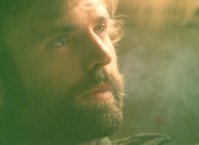
A feature industry emerges
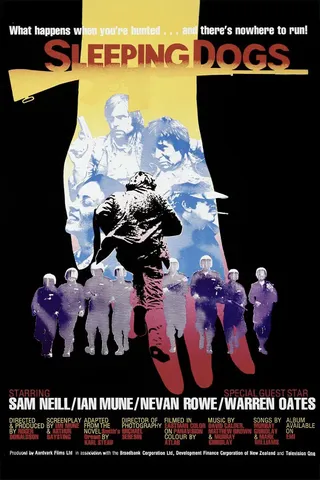
A new wave of filmmakers begins shaping modern NZ cinema, blending local storytelling with emerging feature film ambition. Watch: Sleeping Dogs (1977)
 1980s
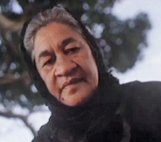
1980sNew voices & Māori storytelling
Groundbreaking Māori-led storytelling redefines how Aotearoa sees itself on screen. Watch: Mauri (1988)
 1990s–2000s
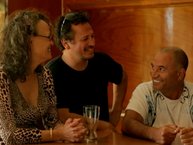
Global breakthrough
New Zealand cinema reaches international audiences while retaining strong local identity and grit. Watch: Once Were Warriors (1994)
 2010s–today
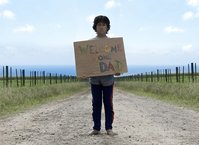
A bold, diverse screen culture
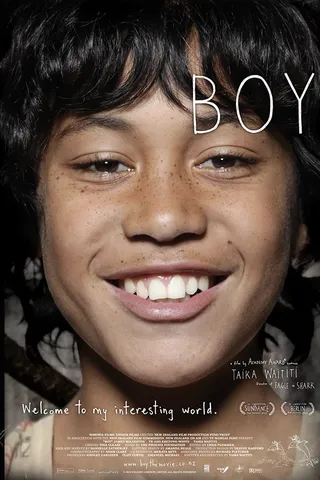
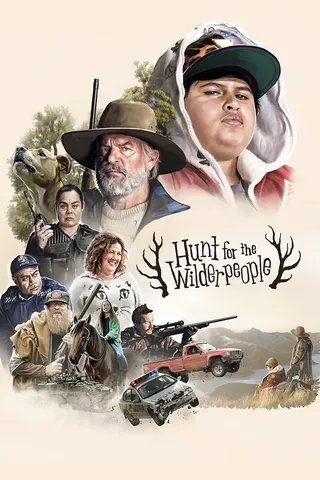
A new generation of filmmakers brings fresh voices, humour, and global impact to Aotearoa storytelling. Watch: Boy clips by Taika Waititi
Pioneers of New Zealand Film
We were making our own films only a few years later. The cinema pioneer Alfred Henry Whitehouse made at least 10 short newsreels and documentary pieces in and around his base in Auckland, including a film of soldiers departing for the Boer War in 1900.
Our first proper feature film was Hinemoa in 1914. It is sadly now lost, probably forever. The film was directed by George Tarr, who had moved to New Zealand from Australia as a young man, intending to become an actor, producer and theatre director. Hinemoa opened in Auckland and then toured the country. It attracted good crowds here, and it was also shown in Australia. So our very first feature film was also an international success!
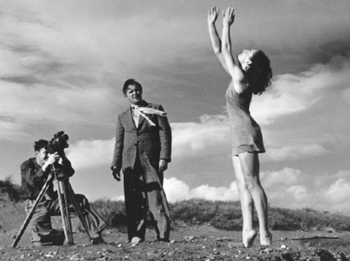
Our best known and most influential filmmaker of this very early era is undoubtedly Rudall Hayward, who came to New Zealand as a five year old with his parents, who were early theatre and cinema impresarios. Rudall's first feature was an ambitious 71-minute romance and adventure called My Lady of the Cave, which was shot over seven weeks in 1921 and 1922, mostly on Tuhua/Mayor Island.
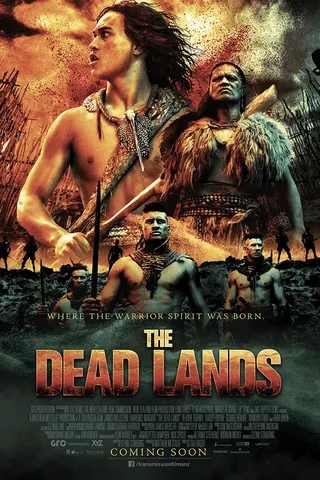
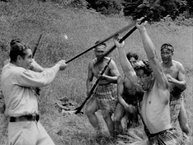
My Lady of the Cave was a local success. But the film Rudall is best remembered for today is his 1925 epic Rewi's Last Stand, which depicted the bloody battle at Ōrākau pā in early 1864. Rudall remade this film with sound in 1940. The same battle was recreated in 2024 for director Michael Jonathan's (Tainui, Mātaatua, Te Arawa) feature film Ka Whawhai Tonu, released internationally as In the Fire of War.
The New Zealand government founded the National Film Unit (the NFU) in 1941. At first, it was focused on making newsreels and promotional films for the country. But from its inception to 1945, it became an important creator of wartime information — and propaganda — that could be shown at home and to the troops in Europe, North Africa and around the Pacific. After the war, the NFU became a training ground for a generation of filmmakers, some of whom would become major figures in the New Zealand industry.
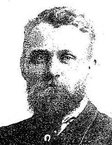 1890s-1900s
Alfred Henry Whitehouse
Birmingham-born cinema pioneer Alfred Whitehouse (1856-1929) was believed to have arrived in Aotearoa in 1864.
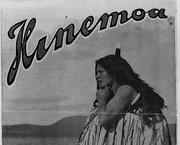 1914
1914Hinemoa
Now lost, George Tarr's Hinemoa was New Zealand's very first feature film.
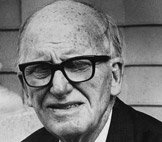 1922
1922Rudall Hayward
Born in Wolverhampton, Rudall Hayward (1900-1974) was New Zealand's most prolific pioneer film-maker.
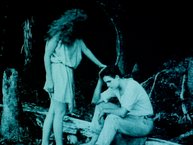
 1925
1925Rewi's Last Stand
Rudall Hayward's 1925 epic Rewi's Last Stand was released. It was remade in 1970 to include sound and was the first NZ feature film to screen on local television.
 1941
1941National Film Unit established
The National Film Unit produced huge amounts of promotional material, newsreels and docos, and was purchased in the 90's by TVNZ. You can watch 370+ wartime newsreels and tourism promos on NZ On Screen.
Merata, the Trailblazer
Putting Ourselves on the Map
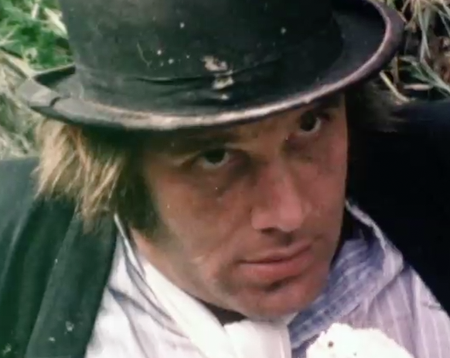
In 1952, the feature film Broken Barrier was released. It was written, directed and co-produced by John O'Shea, with Roger Mirams, who also served as the film's cinematographer. Broken Barrier is remembered as an attempt to re-establish New Zealand as a feature filmmaking nation, and it at least gave O'Shea the confidence to make the adventurous Runaway in 1964, starring Barry Crump and Kiri Te Kanawa, and Don't Let it Get You in 1966.
In 1970, the astonishing documentary This Is New Zealand was made and projected across a three-screen set-up at Expo'70, in Osaka, Japan. Rudall Hayward returned to directing in 1972 to make his last film — and New Zealand's first feature in colour — To Love a Māori.
Writer and director Paul Maunder made his debut television feature Landfall in 1975. But it was shelved due to its content and was not shown until 1977, at the Wellington Film Festival.
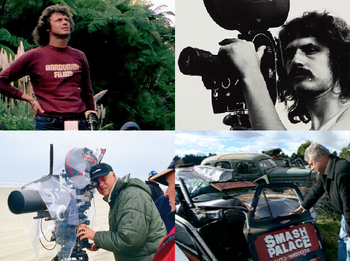
From 1977 onwards, film in New Zealand entered a mini golden age. Roger Donaldson's Sleeping Dogs and Geoff Murphy's Wild Man were both released, and the New Zealand Film Commission was launched in 1978 to "encourage, participate and assist" in the making, promotion, distribution and exhibition of films.
David Blyth's erotic thriller Angel Mine was the first film funded by the NZFC. Prime Minister Rob Muldoon was so scandalised that he privately threatened to shut the Film Commission down. But, he failed to follow through on the threat. So, in the next couple of years, helped by some very beneficial tax laws, Skin Deep, Sons For the Return Home, Middle Age Spread, Beyond Reasonable Doubt, Goodbye Pork Pie, Smash Palace, Utu, The Quiet Earth, Came a Hot Friday, Vigil, Sylvia, Mark II, and many others made their way into our cinemas.
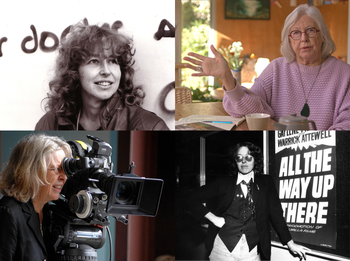
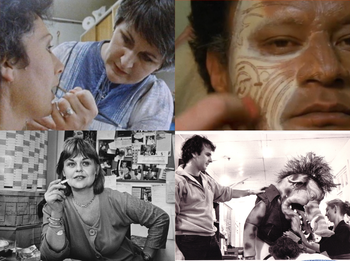
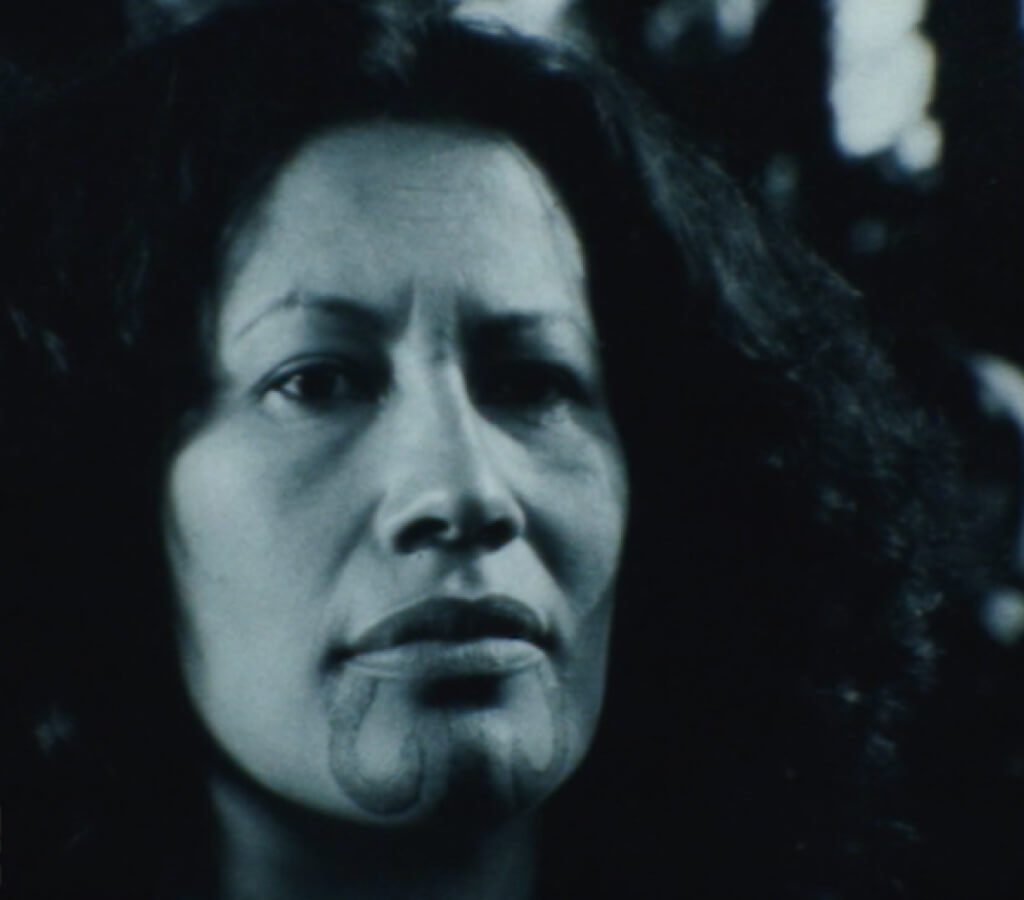
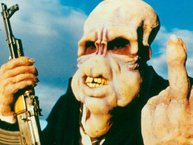
By the 1980s, filmmakers including Merata Mita (Patu!), Melanie Rodriga (Trial Run), Vincent Ward (Vigil), John Laing (Dangerous Orphans) and Gaylene Preston (Mr Wrong) would all release feature length films. In 1987 alone, Merata Mita's Mauri, Barry Barclay's Ngāti, and Leon Narbey's Illustrious Energy all appeared in New Zealand cinemas. They were joined in December 1987 by the blood-soaked cult film Bad Taste, from a young, first-time director from Pukerua Bay, by the name of Peter Jackson.
 1948
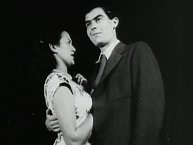
1948Pacific Film Productions established
Roger Mirams and Alun Falconer form Pacific Film Productions, with John O'Shea joining in 1950.
 1959
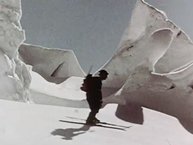
1959Snows of Aorangi
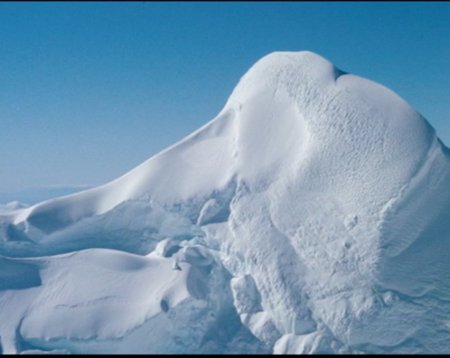
Brian Brake's short film Snows of Aorangi is nominated for an Academy Award, the first NZ film nominated in any category.
 1972
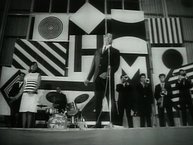
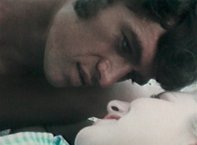
1972To Love a Māori
Rudall and Ramai Hayward's To Love a Māori was the first New Zealand feature film made in colour.
 1977
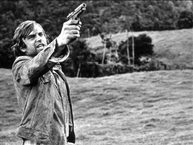
1977Sleeping Dogs released
Sleeping Dogs kick-started a new wave of New Zealand cinema, as well as the careers of Sam Neill and Roger Donaldson. It was also the first NZ-made film to be released in the USA.
 1978
1978New Zealand Film Commission formed
The opening of the New Zealand Film Commission let Aotearoa produce more cinema and foster local talent.
 1981
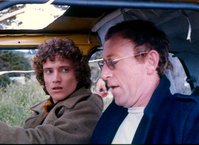
1981Goodbye Pork Pie released
Geoff Murphy's Goodbye Pork Pie became the first movie to gross over $1mil at the local box office, and the first New Zealand feature to screen at Cannes.
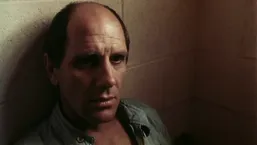 1982
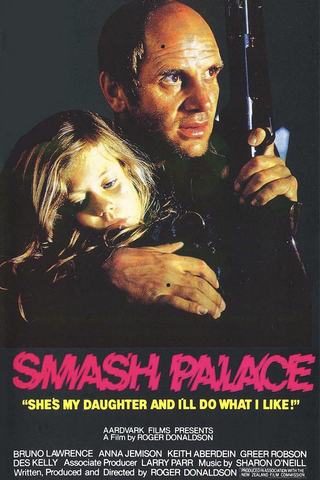
1982Smash Palace
The release of Smash Palace sees the start of Bruno Lawrence's career and propels director Roger Donaldson to Hollywood.
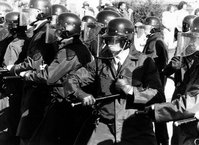 1983
1983Patu!
Patu! by Māori filmmaker Merata Mita becomes the first feature-length documentary directed by a woman.
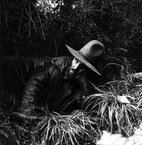
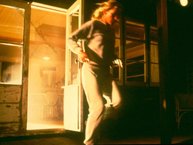 1984
1984Trial Run
Melanie Rodriga's Trial Run is New Zealand's first feature to be written and directed by a woman.
 1987
1987Ngāti
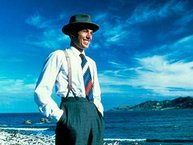
Barry Barclay's Ngāti is the first indigenous-directed feature in the world, and is selected at Cannes.
Pioneering Filmmakers







Explore Landmark Films on NZ On Screen
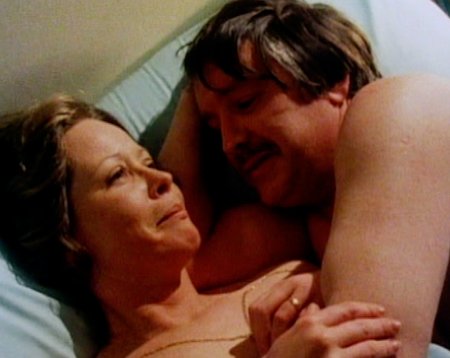
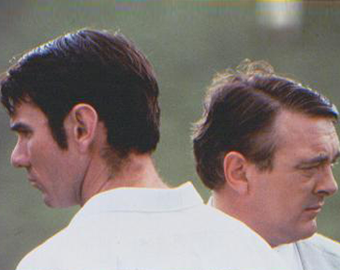
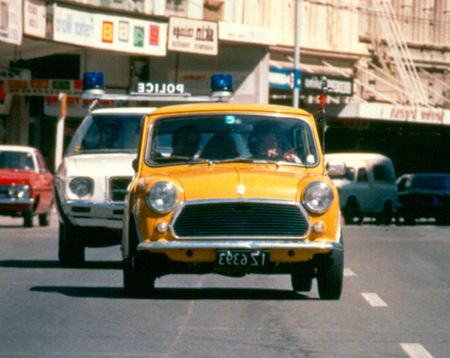
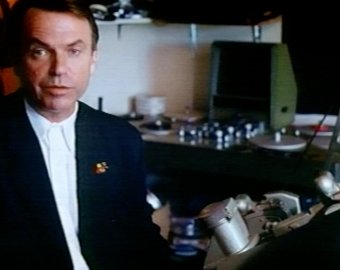
Kiwi Filmmakers on the World Stage
A good handful of New Zealand films had been released in overseas markets before the 1990s. Vincent Ward's The Navigator and Peter Jackson's Meet the Feebles both played in Europe, Asia and North America in 1988 and 1989. Feebles was also the first collaboration between Peter Jackson, Fran Walsh and Richard Taylor, and it was the first film to have a Wētā Workshop credit.
But from the 1990s onwards, overseas success began to be almost expected of a local film. Jane Campion's An Angel at My Table (1990) won awards at the Venice and Toronto film festivals, and the following year, David Blyth's Grampire (My Grandpa is a Vampire) became a minor cult hit in North America. In 1992, Peter Jackson's Braindead and Alison Maclean's Crush both played internationally, and in 1993 and 1994 the floodgates opened with Campion's The Piano, Jackson's Heavenly Creatures and Lee Tamahori's Once Were Warriors all earning serious worldwide accolades. The Piano was a joint winner of the Cannes' Palme d'Or, and was also nominated for a Best Picture Academy Award. Heavenly Creatures would be nominated for Best Original Screenplay the following year.
By 1995, the New Zealand film industry was well enough established, with such a distinct personality, that it was included in the British Film Institute's Century of Cinema series, with Sam Neill co-directing and presenting an hour-long segment called Cinema of Unease.
Notable Filmmakers













New Zealand Film, Closer to Home
As the 20th century became the 21st, film in New Zealand continued to evolve and adapt. Filmmaking became more accessible, as digital cameras and home computer editing systems democratised the medium in a way that would have been unimaginable only a few years earlier.
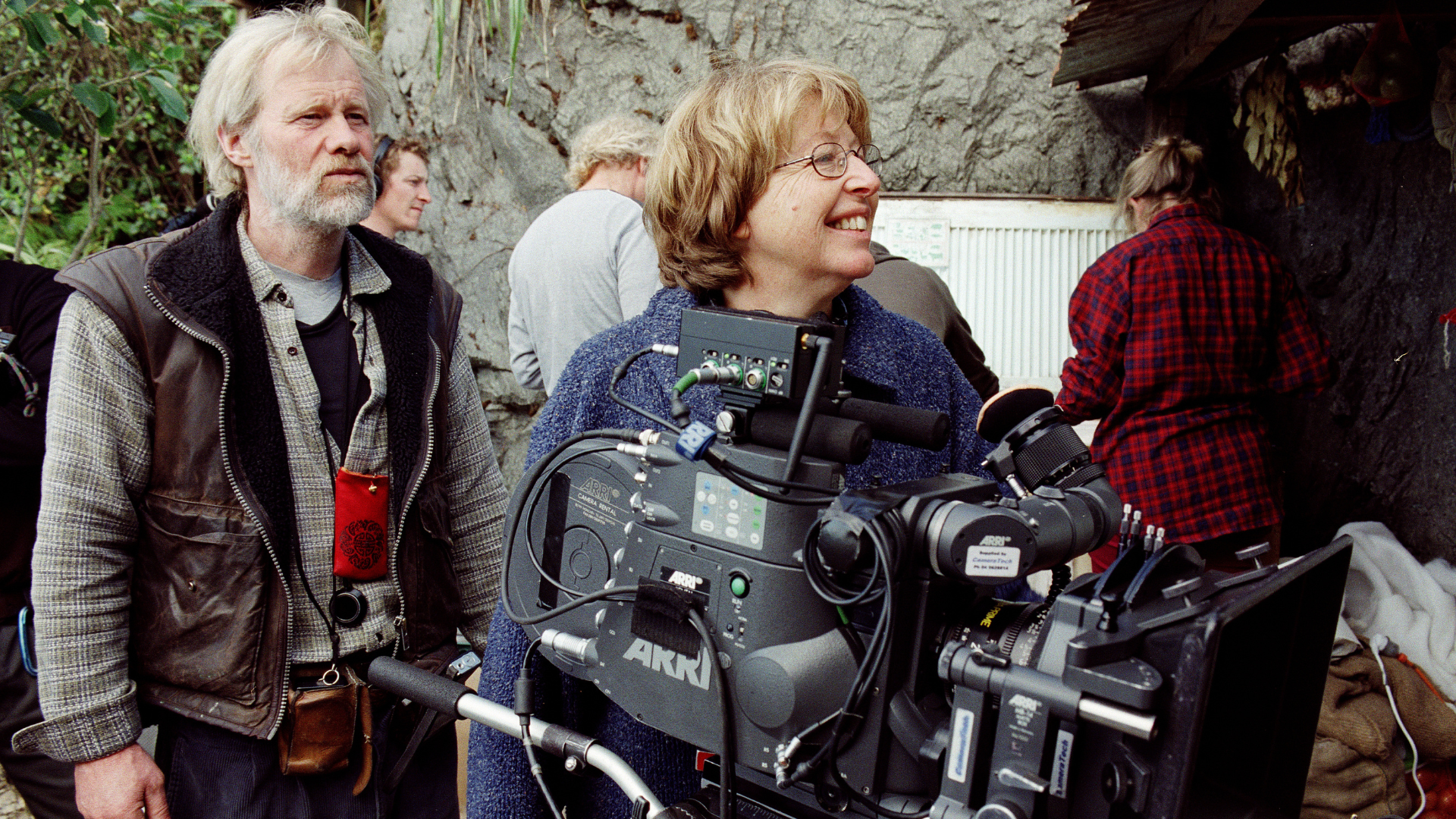
Internationally, New Zealand films continued to sell and attract critical acclaim, with the global triumph of Peter Jackson's Lord of the Rings trilogy especially opening doors to Kiwis, and training up a generation of technicians who could work on a project of any size — and who also had the skills and resources they needed to tell their own stories, closer to home.
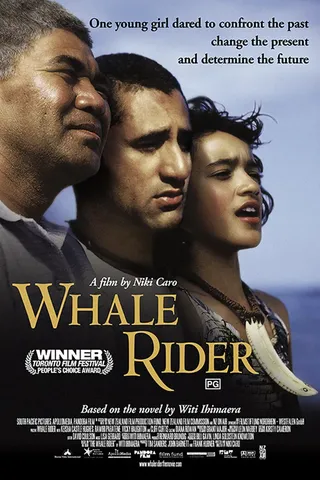
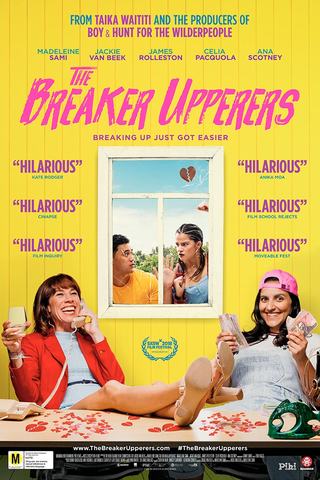
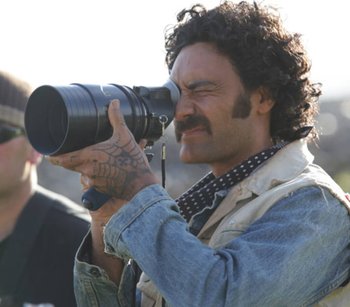
Established filmmakers continued to make movies, and a new generation, including Taika Waititi, Niki Caro, Rob Sarkies, Chris Graham, Jackie Van Beek, Christine Jeffs, Briar Grace-Smith, Ant Timpson, Roseanne Liang, Toa Fraser, Jonathan King, Florian Habicht, Tearepa Kahi and many, many others, have emerged. Some of these directors have achieved significant overseas success. But others have focused on making films that will always have their greatest impact at home.
And there are others who have left us far too early. Brad McGann's 2004 debut feature In My Father's Den might be one of our strongest ever dramas. Brad died before he could make another.
Today, the film industry internationally is in a precarious place. Many studios have never properly recovered from the downturn caused by COVID-19, and the rise of streaming platforms has caused cinema chains around the world to contract or collapse. But people still have stories to tell, and a big screen with a proper sound system is still the best place to watch a movie, by far.
New Zealand filmmakers have always been early adopters and restless inventors. Whatever the next years and decades bring, you can be sure there will still be Kiwis behind cameras, making sure the story gets told.