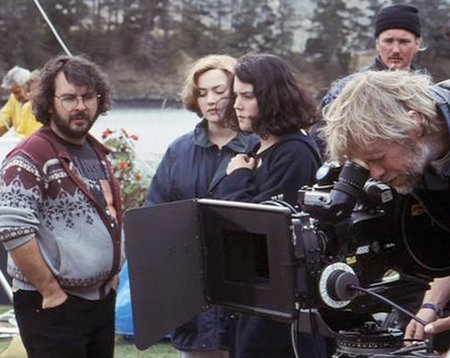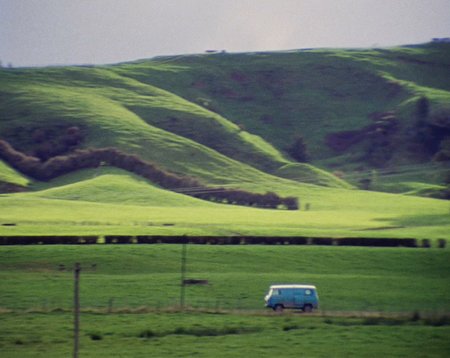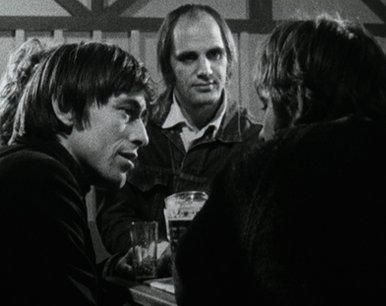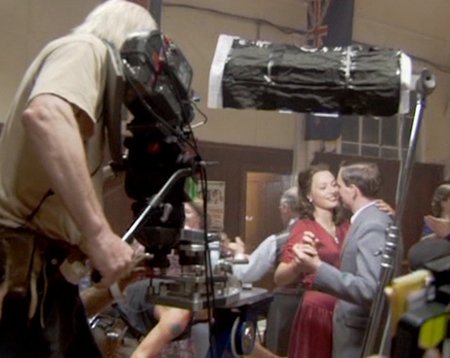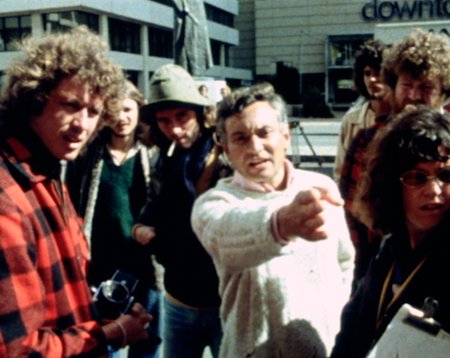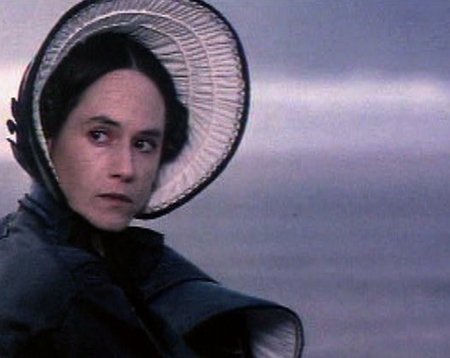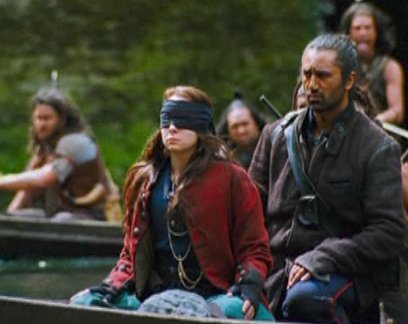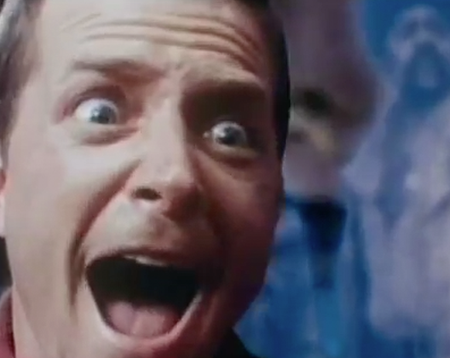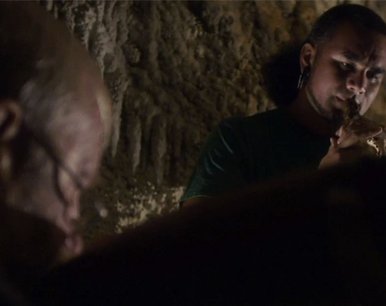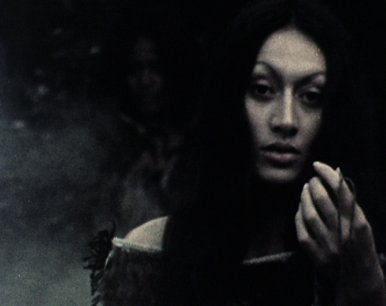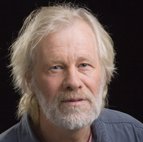
Alun Bollinger — affectionately nicknamed AlBol — is a cinematographer as famous for his impressive credits list as he is for his laidback attitude. Bollinger "grew up in the shoestring school of filmmaking"; a key player in Aotearoa finding its own filmmaking voice, the revered cinematographer has worked on a host of classic Kiwi movies from Vigil to Goodbye Pork Pie. He is skilled in both drama (Heavenly Creatures, River Queen) and documentary (In Spring One Plants Alone).
In this in-depth interview, he discusses;
- The "evangelical" attitude he shared with director Geoff Murphy, in their early collaborations together (3 minutes in)
- The huge technological advancements he has seen in his time; from early digital camera ("Genesis... pigs of cameras"), drones and the re-emergence of shooting on film (4 minutes)
- His allegiance to the director in an increasingly producer-led industry (12 minutes)
- His opinions on lighting; when to be a minimalist, and when to use more gear to achieve the right "mood" (14 minutes)
- The importance of developing a shorthand with long-term collaborators — and even better when they're your family (18 minutes)
- His approach to framing a shot — and how he can tell "by the way they're breathing" if his camera operators have a shot that's working (21 minutes)
- The sensitivity and respect camera operators need when working with actors (22 minutes)
- How working on Vincent Ward's In Spring One Plants Alone taught him how to know when documentarians have "taken enough" from real people (25 minutes)
- How living economically on a rural farm "allowed me to be a bit choosy about projects" and maintain enthusiasm for the industry — "I'm not buried in it all the time" (30 minutes)
Interview Credit
Interview by Rosie Howells. Director/Camera Chris Terpstra/Rocket Rentals. Sound Recordist Michael Kerslake. Editor Tom Field. Producer Fran Carney. Executive Producer Kathryn Quirk.
Copyright
This video was first uploaded on 14 August 2024, and is available under this Creative Commons licence. This licence is limited to use of ScreenTalk interview footage only and does not apply to any video content and photographs from films, television, music videos, web series and commercials used in the interview.