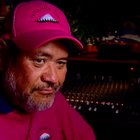
This interview with music legend Dalvanius Prime (Tainui, Ngāpuhi, Ngāti Ruanui, Tūwharetoa, Ngā Rauru, Pakakohi, Ngāi Tahu) focuses on his life and love for te reo, and the relationship between language and music.
It was filmed for TV series Give It A Whirl, before Prime passed away in October 2002. He covered many topics, including:
- Te reo hit 'Poi E' jumping to number one
- International influences on Māori artists and music (11 minutes in)
- Māori role models in the music industry (19 minutes in)
- Working with Prince Tui Teka, Ngoi Pēwhairangi and Tina Turner's manager Roger Davies (20 minutes)
- Breaking down barriers with 'Poi E' (42 minutes)
- Being an advocate for Māori artists and musicians (67 minutes)
Read more about Dalvanius Prime, on AudioCulture (NZ On Screen's sister website)
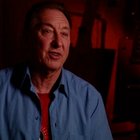
Midge Marsden began performing music during the heady days of the 1960s. As part of band The Breakaways, he was a pioneer in bringing rhythm and blues to New Zealand's isolated shores.
In this extended interview, recorded for 2003 television series Give It A Whirl, Marsden covers many topics, including:
- Early days — hunting down "exotic" music while living in the Taranaki, and using money from the paper run to buy an electric guitar
- Seeing Max Merritt, and the influence of Hawaiian and country music on New Zealand (4 minutes in)
- Meeting Johnny Cooper through a talent quest, losing his first job for a music opportunity with Dinah Lee, and a lost guitar resurfacing 30 years later (12 minutes in)
- The Breakaways being one of the first local rhythm & blues bands, and searching for the "real thing" via imported records (19 minutes)
- The adoption of rhythm & blues in the Auckland and Wellington music scenes (25 minutes)
- The high quality of Kiwi recordings in the 1960s (31 minutes)
- Getting new gear, thanks to bands visiting from England (35 minutes)
- Working as a live band during the 60s revolution of music (37 minutes)
- Why roots music has always had a keen following in New Zealand (43 minutes)
- How The Fourmyula set the standard for original songwriting (46 minutes)
- Seeing Dragon and Split Enz during the live boom of the 1970s (51 minutes)
- Thoughts on New Zealand bands going overseas (54 minutes)
Read more about Midge Marsden and The Breakaways, on AudioCulture (NZ On Screen's sister website)
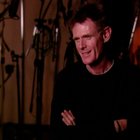
In this interview for 2003 TV series Give It A Whirl, bass player Bones Hillman (aka Wayne Stevens) recalls punk's Auckland heyday, kicking off his career in neighbourhood band The Masochists, and joining Suburban Reptiles. He describes a vibrant late 70s scene when teenage punks scared the daylights out of established bands like Hello Sailor, his time in The Swingers, and how smash hit 'Counting the Beat' hastened the band's demise.
Hillman also touches on:
- Growing up in Avondale listening to The Chicks and The Fourmyula
- Clashes between suburban punks, the art school crowd and "disco kids" at Auckland's Zwines nightclub (3 minutes in)
- Joining Suburban Reptiles and taking punk to Wellington (7 minutes in)
- Being impressed by the songwriting chops of Dunedin band The Enemy (10 minutes)
- Forming The Swingers with Phil Judd and Buster Stiggs, and moving to Australia (12 minutes)
- Living hand to mouth in Melbourne while The Swingers' record company held back on releasing 'Counting the Beat' (18 minutes)
Bones Hillman died in November 2020. Read more about him, and bands Suburban Reptiles and The Swingers, on AudioCulture (NZ On Screen's sister website)
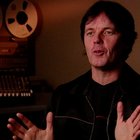
In 1974 singer/songwriter Alastair Riddell's breathy vocals and androgynous allure beamed into staid Kiwi lounges, scandalising older New Zealanders and thrilling a younger generation. Off the back of that talent show appearance Space Waltz's stomping, glam single 'Out On The Street' stormed to number one.
In this extended interview recorded for 2003 TV series Give It A Whirl, Riddell covered many topics, including:
- Being the youngest punter at Auckland nightclub The Galaxie (3 minutes in)
- His first band and first paid gig, at Titirangi Tennis Club (almost 6 minutes in)
- The influence of David Bowie, as well as prog rock bands Yes and Roxy Music (12 minutes)
- Playing in covers band Stewart And the Belmonts with Split Enz keyboardist Eddie Rayner (22 minutes)
- Getting a call from future manager Lew Pryme after Space Waltz's trailblazing TV debut (27 minutes)
- His disappointment with EMI and the demise of Space Waltz in Australia (48 minutes)
- The "buzz" he got from collaborating with Dalvanius on 1983 hit 'Poi E' (56 minutes)
Read more about Alastair Riddell, on AudioCulture (NZ On Screen's sister website)
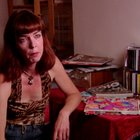
Jane Walker was drumming for a Christchurch rock 'n' roll band when punk pioneer Chris Knox asked her to join his new wave band on keyboards. Walker remembers the brief but influential reign of Toy Love, their polarising effect on audiences, and the decision to call it a day after a gruelling Australian tour.
Walker passed away in October 2018. In this interview recorded for 2003 TV series Give It A Whirl, she also touches on:
- Moving to Christchurch, and meeting fellow musician (and future partner) Paul Kean
- Being "jumped on" by Chris Knox after sharing a gig with The Enemy (4 minutes in)
- Planning an all-female band with Jay Clarkson (6 minutes in)
- Toy Love's worst night in Australia, playing to a roomful of rednecks in an "enormous" rugby league bar (15 minutes)
- Sensing a "sea change" in the Kiwi music scene after returning from Australia (21 minutes in)
Read more about Jane Walker and Toy Love on AudioCulture (NZ On Screen's sister website)
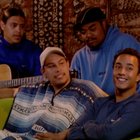
Nesian Mystik was formed in 1999 by a group of teens from diverse Polynesian backgrounds, who wanted to make hip hop/R&B with lyrics and musical influences reflecting their experiences of Aotearoa and the Pacific Islands. They hold the record for the most top 10 singles in the New Zealand charts by a Kiwi artist.
In this interview, recorded for 2003 TV series Give It A Whirl, band members (from left to right) David Atai, Feleti Strickson-Pua, Donald McNulty and Te Awanui Reeder cover many topics, including:
-
The diverse cultural and musical background of the band
-
Appreciating geographical privilege and opportunity (4 minutes in)
-
Hip hop being a fast-growing market in Aotearoa in the 2000s (8 minutes in)
-
The influence of Herbs and other Polynesian music on cultural relations (11 minutes)
-
The messages in Nesian Mystik’s music (13 minutes)
-
Musical mentors (15 minutes)
-
Finding new inspiration, genres, and lyrics (20 minutes)
-
Their desire to see international listeners relate to Polynesian music (25 minutes)
Read more about Nesian Mystik, on AudioCulture (NZ On Screen's sister website)
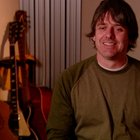
Ian Morris was an important figure in the New Zealand music industry, from his performances with late 70s rock band Th' Dudes and a later solo career as Tex Pistol, to his work behind the scenes, producing notable albums for bands such as Hello Sailor.
Morris died in October 2010. In this interview, recorded for 2003 TV series Give It A Whirl, Morris covers many topics, including:
-
Memories of Beatlemania while growing up in the United Kingdom, and the stark musical isolation of Aotearoa
-
Going to school with Dave Dobbyn and Peter Urlich, and later forming Th’ Dudes (3 minutes in)
-
The 1970s Auckland club scene, the influence of The Human Instinct and popular British bands (6 minutes in)
-
Pushing Th' Dudes further, and using "the punk ethic of simplicity" (11 minutes)
-
Early Dudes recordings 'Be Mine Tonight' and 'That Look In Your Eyes' (16 minutes)
-
Rowdy behaviour at live shows, while touring "every pub in the country" (19 minutes)
-
Introducing improvements to New Zealand's live touring circuit (21 minutes)
-
Thoughts on how Australia can change a band’s sound and path (25 minutes)
-
After Th’ Dudes: working with Dobbyn, performing as Tex Pistol (28 minutes)
Read more about Ian Morris/Tex Pistol and Th' Dudes, on AudioCulture (NZ On Screen's sister website)
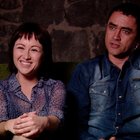
The late Grant Fell was a member of Headless Chickens, famous for their distinctly experimental pop sound. Fiona McDonald joined the band for their second album Body Blow, spawning single 'Cruise Control', which achieved major success in New Zealand and Australia.
In this extended interview, recorded for 2003 TV series Give It A Whirl, Fell and McDonald cover many topics, including:
- Early South Auckland and Pasifika music influences, and the Kiwi "lust for music"
- Early 80s music movements, and regional sounds (7 minutes in)
- Merging genres and creative clashes, from Children’s Hour to Headless Chickens (9 minutes in)
- McDonald being a longtime fan of Headless Chickens' "weird" sound (13 minutes)
- Frustrations with unreliable technology (16 minutes)
- Keyboard player Michael Lawry’s Kiwiana contributions (17 minutes)
- Negative associations with the band’s name and sound (18 minutes)
- Winning the Rheineck Rock Award in 1987, which drew new fans and backlash from local radio (20 minutes)
- McDonald joining her favourite band, initially to record 'Cruise Control' (24 minutes)
- Australian versus New Zealand music; giving up on commercial and international success, and leaning into the experimental (29 minutes)
- 'The Chooks' touring in Australia (34 minutes)
- Making a living from music — or not; thoughts about new musicians (38 minutes)
- Favourite songs from the band (44 minutes)
Read more about Headless Chickens and Grant Fell, at AudioCulture (NZ On Screen's sister website)
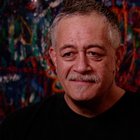
Dilworth Karaka was a founding member and mainstay vocalist/guitarist of reggae band Herbs. The group helped spearhead political music in Aotearoa, and played with various line-ups for over three decades.
In this interview for 2003 television series Give It A Whirl, Karaka covers many topics, including:
• The political issues bubbling away in 1970s New Zealand, and Herbs making political music (4 minutes in)
• The early lineup of Herbs, and self-recording their first single (9 minutes)
• The cover of, and controversy over, 1981 release Whats' Be Happen? (12 minutes)
• How France's nuclear testing programme in the 1970s inspired song 'French Letter' (18 minutes)
• Touring the Pacific Islands (25 minutes)
• Making 'Slice of Heaven' with Dave Dobbyn (37 minutes)
• The band's relationship with American musician Joe Walsh (40 minutes)
• How Charlie Tumahai brought his international experience to Herbs (53 minutes)
• Launching 1987 album Sensitive to a Smile in Ruatoria (60 minutes)
• New Zealand music and it's place on the international stage (63 minutes)
Read more about Herbs, on AudioCulture (NZ On Screen's sister website)
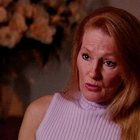
From small beginnings in an Auckland choir, Kiwi Queen of Pop Allison Durbin has sung all over the world with acts such as Gene Pitney, John Farnham and John Rowles.
In this interview for 2003 television series Give It A Whirl, Durbin covers many topics, including:
- Singing in choirs as a little girl
- Being a resident singer at the Shiralee nightclub as a teen (6 minutes in)
- Hit song 'Don't Come any Closer', and becoming the Queen of Pop (17 minutes)
- Gene Pitney’s spaghetti bolognese, and international performances (27 minutes)
Read more about Allison Durbin, on AudioCulture (NZ On Screen's sister website)
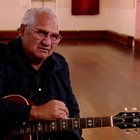
Johnny Cooper (Ngāti Kahungunu) is celebrated for singing on Aotearoa's first rock 'n' roll recording, a 1955 cover of 'Rock Around the Clock'. After enjoying a short but successful stint as a singer, Cooper ran a talent show around Aotearoa, where he mentored new stars.
In this interview for 2003 television series Give It A Whirl, Cooper covers many topics, including:
• The success of his early 1950s singles such as 'One by One' and 'Look What You've Done' (8 minutes in)
• Being persuaded to play rock'n'roll by his record label bosses at HMV (11 minutes)
• Early negative opinions towards rock'n'roll, and how the tides turned (19 minutes)
• Writing what's thought to be Aotearoa's first original rock'n'roll song, 'Pie Cart Rock and Roll' (21 minutes)
• Touring with music legend Johnny Devlin (30 minutes)
• How rock 'n' roll took over music (31 minutes)
Read more about Johnny Cooper, on AudioCulture, NZ On Screen's sister website
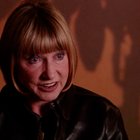
Waimate-born singer Dinah Lee was the 'Queen of the Mods'. She rose to fame in the 1960s with pop songs like 'Do The Bluebeat', and enjoyed an international music career that extended past the swinging 60s.
In this interview for 2003 television series Give It A Whirl, Lee covers many topics, including:
• Her outrageous first meeting with Ron Dalton of Viking records (5 minutes in)
• The star treatment she received in Australia (9 minutes)
• Touring with Jamaican pop star Millie Small (17 minutes)
• The controversy that her mod fashion style stirred up in the media, and amongst her fans' parents (24 minutes)
Read more about Dinah Lee, on AudioCulture (NZ On Screen's sister website)
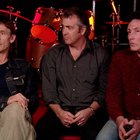
Dave McArtney, Harry Lyon and Graham Brazier, the three founding members of Hall of Fame band Hello Sailor, sat down to discuss making music in Aotearoa.
In this interview recorded for 2003 television series Give It A Whirl, the trio covered many topics, including:
- Their first impressions of, and involvement in, the music industry
- Meeting each other, moving into Mandrax Mansion and messing around in Auckland (12 minutes in)
- Who the band were reacting against (22 minutes in)
- Writing individually, and performing together (28 minutes in)
- The differences between playing live and recording (35 minutes)
- From home to America, to Australia, then back home again (40 minutes)
- Completing Graham Brazier's classic solo album Inside Out on an extremely tight time frame (65 minutes)
- Band development and more touring (83 minutes)
- The influence of British and American music on New Zealand music (91 minutes)
Harry Lyon writes about the birth of Hello Sailor in this special collection devoted to the band. Watch Hello Sailor documentary Sailor's Voyage here.
Read more about Hello Sailor, Graham Brazier, Harry Lyon and Dave McArtney at AudioCulture (NZ On Screen's sister website)
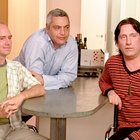
The Exponents (formerly The Dance Exponents) are one of New Zealand's most beloved live bands. Their long line of hits includes 'Victoria' and 'I'll Say Goodbye' and 'Why Does Love Do this to Me?'.
In this interview, recorded for 2003 TV series Give It A Whirl, (left to right) band members Brian Jones, David Gent, and Jordan Luck cover many topics, including:
- Self-management versus external management
- Hard times: cold Dunedin housing, getting stranded in the Aussie mountains, and a riot in Napier (1 minute in)
- Making a living off live gigs, brotherhood and pranks (4 minutes in)
- The pros and cons of moving to Australia (10 minutes)
- Touring with Christchurch band The Wastrels and writing 'I'll Say Goodbye', song names from Aotearoa (12 minutes)
- Rediscovering success in the United Kingdom (14 minutes)
- The Dunedin music scene and their favourite local bands (15 minutes)
- Band worries about the 'Victoria' music video (18 minutes)
- Happy memories of significant performances (19 minutes)
Read more about The Exponents, on AudioCulture (NZ On Screen's sister website)
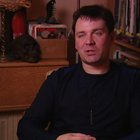
‘Dunedin Sound’ stalwart Martin Phillipps was the driving force behind Flying Nun group The Chills. Prominent in New Zealand in the 1980s and 1990s, The Chills went on to deliver their distinctive take on psychedelic pop to a global audience, gathering international record deals and performing to 60,000 at the 1987 Glastonbury Festival along the way. Phillipps passed away in July 2024.
In this interview for 2003 television series Give It A Whirl, Phillipps covers many topics, including:
- How early Chills singles were received, and how Martin's father reacted to his music (1 minute in)
- The advantages of Dunedin as a location for shooting music videos (3 minutes in)
- Touring the United Kingdom 1985, and the popularity of Flying Nun artists offshore (8 minutes)
- The toll that relentless touring took on personal relationships (10 minutes)
- Playing in East Berlin before the wall came down (11 minutes)
- Feeling out of step with the wider New Zealand music industry (15 minutes)
- The "honest" quality of New Zealand music ( 17 minutes)
- The difficulty of capturing The Chills sound in a recording (19 minutes)
- His regard for fellow Dunedin musicians — and the impact of Chris Knox (22 minutes)
- Capturing the NZ environment in a three minute pop song (27 minutes)
Read more about Martin Phillipps and The Chills, on AudioCulture (NZ On Screen's sister website)
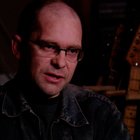
Songwriter, guitarist and artist Robert Scott has played in two key Flying Nun bands —The Clean and The Bats — as well as forging a solo career. In this interview he describes the inner workings of both bands, and the organic way they operate. He also touches on songwriting and the importance of live performance.
Other highlights of this interview, which was recorded for 2003 TV series Give It A Whirl, include:
- Waking up to The Gordons practising in his Dunedin bedroom
- The ease of making The Clean's debut EP Boodle Boodle Boodle (2 minutes in)
- The Bats' beginnings in 1982 as a "party band" for 21st parties (5 minutes in)
- Playing at legendary New York punk venue CBGB on an American tour (12 minutes)
- Influences on New Zealand music (16 minutes)
- How The Clean and The Bats created their unique sound (19 minutes)
Read more about The Clean and The Bats, at AudioCulture (NZ On Screen's sister website)
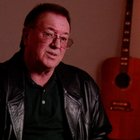
Johnny Devlin began his musical life as New Zealand's answer to Elvis Presley. His long career has included successful stints in Auckland, the United Kingdom, and — most significantly — Australia.
In this interview shot for the 2003 season of Give It A Whirl, Devlin covers many topics, including:
• The fashion and culture of 1950s rock'n'roll, and how small-town New Zealand reacted to it (starting 3 minutes in)
• Moving to Auckland from Whanganui to start a residency at The Jive Centre (9 minutes in)
• Cutting his first record (11 minutes)
• Recording his own original music (17 minutes)
• Major fangirl mania on his New Zealand tours (23 minutes)
• How cutting a tendon in his finger probably changed his career (35 minutes)
• Bringing the house down in Australia, and touring Australasia with The Beatles (36 minutes)
• Working in the United Kingdom (51 minutes)
Read more about Johnny Devlin, on AudioCulture, NZ On Screen's sister website
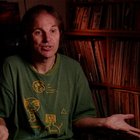
Chris Knox is a Kiwi music icon. As well as being the frontman for The Enemy, Toy Love and Tall Dwarfs, he played a huge role in Aotearoa's 1970s punk scene and the early years of record label Flying Nun.
In this interview for 2003 television series Give It A Whirl, Knox covers many topics, including:
• Early musical influences while growing up in Invercargill, and the musical trends of the time
• How moving to Dunedin changed his life (11 minutes onwards)
• Starting his first band The Enemy, and being a punk (21 minutes)
• The Kiwi punk scene: the culture, differences in cities and his place as an "extreme" performer (32 minutes)
• The end of The Enemy, the birth of Toy Love and his then-attitudes towards popular NZ bands (41 minutes)
• Toy Love's heyday; being in the studio, intensive touring and having their souls crushed in Australia (52 minutes)
• Giving other bands unsolicited advice, and his love of The Clean ( (65 minutes)
• His dislike of mainstream recording studios and how that lead to musical duo Tall Dwarfs (73 minutes)
• Flying Nun, his thoughts on their most iconic acts, and the global ambitions of Straitjacket Fits (75 minutes)
• Mainstream success versus creative freedom, his impact on New Zealand music, and music's impact on him (85 minutes)
Read more about Chris Knox, on AudioCulture (NZ On Screen's sister website). AudioCulture also has extended profiles of bands The Enemy, Toy Love and Tall Dwarfs.
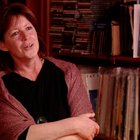
Shona Laing wrote and sang her first top ten hit as a Wellington teenager, and was later heard around the globe thanks to her synth-driven single '(Glad I'm) Not a Kennedy'.
In this interview for 2003 TV series Give It A Whirl, Laing covers many topics, including:
- Being "signed, sealed and delivered" to Kiwi record company Phonogram as a teen, before she'd made her TV debut on talent show New Faces (4 minutes in)
- How her early hit '1905' was inspired by an infatuation with actor Henry Fonda (5 minutes)
- Adventures in London, including the arrival of punk and having a hit song but no actual records to sell (13 minutes)
- Readjusting to an invigorated Kiwi music scene, after seven years overseas
- The epic tale of how her 1985 single '(Glad I'm) Not a Kennedy' became a global hit, two years after first release (19 minutes)
Read more about Shona Laing, on AudioCulture (NZ On Screen's sister website)
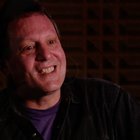
Musician and producer Alan Jansson has created hits with some key names in Aotearoa's music scene, including OMC ('How Bizarre') and Sisters Underground ('In the Neighbourhood').
In this interview for 2003 television series Give It A Whirl, Jansson covers many topics, including:
- Learning the distinctive Pacific strum (2 minutes in)
- His early band The Body Electric (10 minutes)
- Establishing a recording studio in Auckland (11 minutes)
- Producing, being a producer, and other producers (12 minutes)
- Māori and Pasifika influences, and the first sessions at Uptown Studios (15 minutes)
- Chopping a verse from 'In the Neighbourhood' — and the musical idea that gave him goosebumps (16 minutes)
- The Kiwi accent being an obstacle to overseas sales (20 minutes)
- The creation and success of international hit 'How Bizarre' (23 minutes)
Read more about Alan Jansson, on AudioCulture (NZ On Screen's sister website)