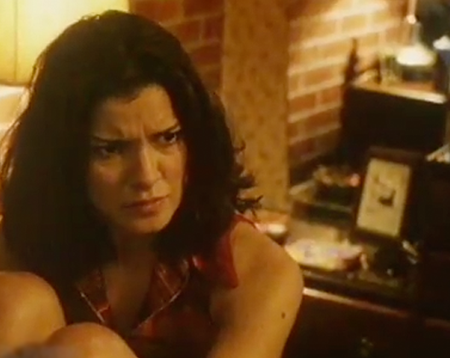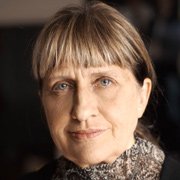
Robin Scholes argues that the job of a producer is to "never take 'no' for an answer". Scholes poured her energy into getting landmark film Once Were Warriors off the ground. Its global success made stars out of director Lee Tamahori and actors Temuera Morrison and Rena Owen. Scholes came to the screen industry via academia; she was one of the few female lecturers at Auckland University. Later she worked at Communicado with Neil Roberts, producing movies and a rolling list of hit shows. From 2005, she made dramas with Julie Christie at Eyeworks Touchdown. Scholes' TV credits include Heroes, The Big Art Trip and Burying Brian; her list of films ranges from Broken English to The Convert.
In this extended Legends interview, Scholes describes:
- Falling into filmmaking in London, before working on groundbreaking New Zealand documentary Some of My Best Friends are Women (from 4 minutes in)
- Pitching a run of TV shows with Neil Roberts at high profile company Communicado — and the moment they realised they'd outlasted numerous heads of programming at TVNZ (8 minutes)
- Author Alan Duff's early 200 page script for Once Were Warriors (13 minutes)
- The challenges of financing Once Were Warriors, and how director Lee Tamahori's advertising mates got behind promoting it (23 minutes)
- Her indigenous mentor, legendary actor Don Selwyn — a pioneer in establishing Māori protocols on film sets (24 minutes)
- What Scholes is most proud of across a 50-year career (19 minutes)
- Her worries that New Zealand stories aren't told "in a big enough way" — and that our screen talents end up elsewhere, telling other people's stories (33 minutes)
- Travelling to Bougainville and pulling off a meeting with President John Momis, in order to get the green light to film Mr Pip there (35 minutes)
Interview Credit
Interview Rosie Howells. Director/Camera Chris Terpstra/Rocket Rentals. Sound Recordist Cody Wilcox. Editor Tom Field. Producer Fran Carney. Executive Producer Kathryn Quirk.
Copyright
This video was first uploaded on 14 August 2024, and is available under this Creative Commons licence. This licence is limited to use of ScreenTalk interview footage only and does not apply to any video content and photographs from films, television, music videos, web series and commercials used in the interview.